Newsletter Subscribe
Enter your email address below and subscribe to our newsletter

 Bygonzay
A smart thermostat is an internet-connected device that automatically controls the heating and cooling system in a home or office. Unlike traditional thermostats, smart thermostats allow users to adjust temperatures remotely using a smartphone, tablet, or voice assistant while also learning usage patterns to improve comfort and energy efficiency.
With features such as scheduling, automation, occupancy detection, and energy reports, smart thermostats have become an important part of modern smart homes. This guide explains what a smart thermostat is, how it works, its key features, benefits, applications, challenges, and best practices.
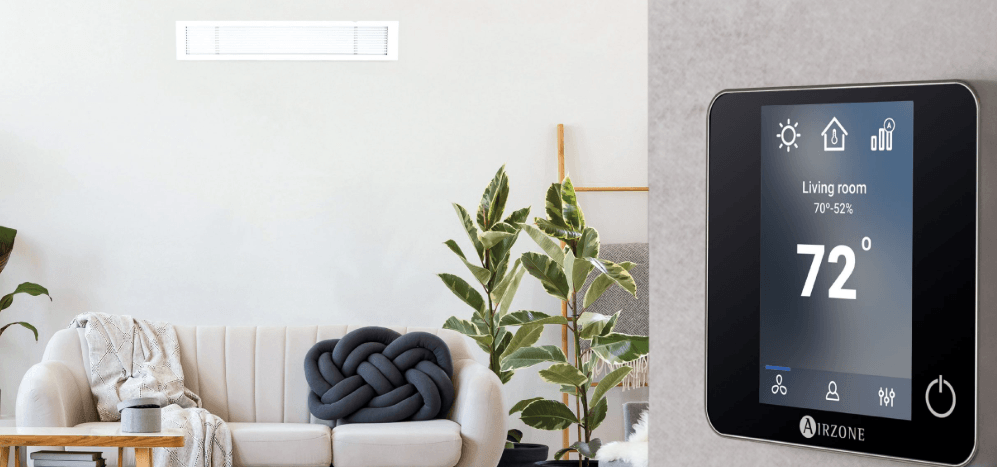
A smart thermostat is a programmable temperature control device that connects to a Wi-Fi network and communicates with a home’s heating, ventilation, and air conditioning (HVAC) system. It enables remote control, automation, and intelligent temperature management to maintain comfort while reducing unnecessary energy use.
Smart thermostats are commonly used in homes, apartments, offices, hotels, and commercial buildings.
Built-in sensors continuously measure indoor temperature and help maintain the desired climate.
The thermostat connects to a wireless network, allowing users to monitor and control settings remotely.
Users can create daily or weekly heating and cooling schedules based on their routines.
Some smart thermostats automatically adjust temperatures using occupancy detection, time of day, or user preferences.
A companion mobile app allows users to change settings, monitor temperatures, and receive alerts from virtually anywhere with an internet connection.
Adjust your home’s temperature using a smartphone, tablet, or computer.
Create customized schedules for weekdays, weekends, vacations, or seasonal changes.
Some models learn your habits over time and automatically optimize heating and cooling schedules.
View summaries of heating and cooling activity to better understand energy consumption.
Many smart thermostats can be controlled through compatible voice assistants for hands-free operation.
Some models use the location of your smartphone to automatically adjust the temperature when you leave or return home.
Receive reminders for tasks such as replacing air filters or checking HVAC system performance.
Automatically reducing heating or cooling when it is unnecessary can help lower energy usage.
Control your home’s temperature from almost anywhere using a mobile device.
Maintain consistent indoor temperatures throughout the day.
Match heating and cooling to your daily routine for improved efficiency.
Monitoring system performance can help identify maintenance needs before they become larger problems.
Improve comfort while helping manage heating and cooling costs.
Provide convenient climate control in smaller living spaces.
Maintain comfortable working environments while reducing unnecessary energy consumption.
Allow centralized management of guest room temperatures.
Monitor and adjust temperatures remotely before arriving or while the property is unoccupied.
Integrate with other connected devices for automated home routines.
Smart thermostats typically cost more than traditional programmable thermostats.
Not every heating or cooling system supports every smart thermostat model.
Remote features generally require a stable internet connection.
Some systems may require professional installation, especially in older homes or complex HVAC configurations.
Verify that the thermostat supports your home’s heating and cooling system before purchasing.
Choose a model that works well with your existing smart home ecosystem if you use connected devices.
Look for an easy-to-use app that provides scheduling, remote access, and energy reports.
Compare scheduling, occupancy detection, and reporting tools to find the features that best fit your lifestyle.
Some thermostats are designed for simple installation, while others may require professional assistance.
Choose a thermostat with software updates and features that can continue supporting your home as your needs evolve.
Set temperatures that balance comfort and energy efficiency throughout the day.
Enable occupancy detection or geofencing if available to reduce unnecessary heating or cooling.
Review usage reports regularly to identify opportunities for additional savings.
Install firmware updates to improve security, reliability, and functionality.
Replace air filters regularly and schedule routine maintenance to keep your heating and cooling system operating efficiently.
Control indoor temperatures even when you are away from home.
Automated temperature adjustments can help reduce unnecessary energy consumption.
Maintain a more consistent indoor climate throughout the day.
Integrate temperature control with lighting, security systems, and other connected devices.
A smart thermostat is a Wi-Fi-enabled device that automatically manages heating and cooling while allowing remote control through a smartphone or other connected device.
Yes. By using schedules, automation, and occupancy-based adjustments, a smart thermostat can help reduce unnecessary heating and cooling, potentially lowering energy consumption.
Most smart thermostats continue to control heating and cooling locally, but remote access, app control, and some advanced features may be unavailable without an internet connection.
Installation difficulty depends on the HVAC system and thermostat model. Some homeowners can install compatible models themselves, while others may benefit from professional installation.
Not always. Compatibility varies depending on the home’s heating and cooling equipment, wiring, and HVAC configuration.
Smart thermostats combine intelligent automation, remote access, and energy management to provide a more convenient and efficient way to control indoor temperatures. With features such as programmable schedules, learning capabilities, energy reports, and smart home integration, they help improve comfort while supporting more efficient heating and cooling. By selecting a compatible model and using its automation features effectively, homeowners and businesses can enjoy a more comfortable environment and better control over their HVAC systems.